Principals
Three days for founders, family members, owners, and the senior leaders trusted to run family offices.No one there to pitch you.Complete confidentiality. Chatham House Rule.
Applications for October 2026 are now closed.
“I came away with new perspectives on growth, what success really means, and the value of building genuine relationships.”
— Moatassem M.
I thought building the business
was the hard part.Managing the money
turned out to be
even harder.
I started Tiny to own and operate businesses for the long term. Dribbble, Letterboxd, AeroPress, and dozens of others. For years, the job was clear: find good companies, hire good people, keep going.
Then success created a new set of problems. I had wealth on paper, but there were periods where I felt broker than I had ever felt. I hired the wrong people. I took bad advice. I scaled too big. I bought a plane I shouldn't have bought. I was asset rich, cash poor, and surrounded by people who sounded confident.
The strange part was how hard it was to know who was actually worth listening to. Everyone had a view. Everyone had a product. Everyone had a fee model. And yet, when I spoke privately with other founders, family members, and the senior leaders running family offices day to day, they were wrestling with the same questions.
I built Principals because I wanted the room I wish I had earlier: a small group of people in the same seat, with no one selling and no one performing.
The common thread is the seat.
Principals is for the people who own the responsibility and the people trusted to carry it.
The owners
Founders, family members, principals, and next-generation family members responsible for the long-term direction of family wealth.
The operators
CEOs, Presidents, CIOs, Managing Directors, Executive Directors, Heads of Family Office, COOs, and senior leaders turning that direction into decisions.
You do not need to have the family name on the door. You do need to carry real responsibility for the family’s capital, operating companies, investments, governance, or long-term enterprise.









The questions are practical. The stakes are personal.
Principals is built around the issues family-office owners and leaders tend to face quietly, usually while everyone around them sounds very certain.
Who should I listen to?
Advisors, managers, bankers, lawyers, tax planners, consultants, recruiters, and service providers all have opinions. Many are smart. Almost all have incentives.
What belongs in-house?
Investment team, reporting, tax, estate planning, philanthropy, real estate, household operations, direct deals. Build too little and you become dependent. Build too much and the office starts feeding itself.
How do we keep taking risk?
Founders are used to risk. After success, too little risk can make you passive, and too much can threaten the freedom you earned.
Where should the capital go?
Public markets, private equity, venture, real estate, direct deals, credit, cash, funds, co-investments. The options are endless. So are the fees.
How do we avoid expensive mistakes?
The dangerous mistakes come dressed as sophistication: the wrong hire, the wrong manager, the wrong structure, the wrong plane, the wrong deal, the wrong level of overhead.
How do we handle family?
Children, spouses, siblings, fairness, control, employment, distributions, philanthropy, lifestyle, resentment, and the quiet fear of making life easier in a way that makes people weaker.
What happens to identity?
The company gives structure, urgency, status, and a scoreboard. After liquidity, the scoreboard changes. Some people get restless. Some get conservative. Some are not sure what they are allowed to want anymore.
How do we make better decisions?
Most principals do not need more access. They need better judgment, better filters, and peers who can say, I tried that and it was a disaster.
Less conference, more conversation.
Principals is intentionally small and deliberately spacious.
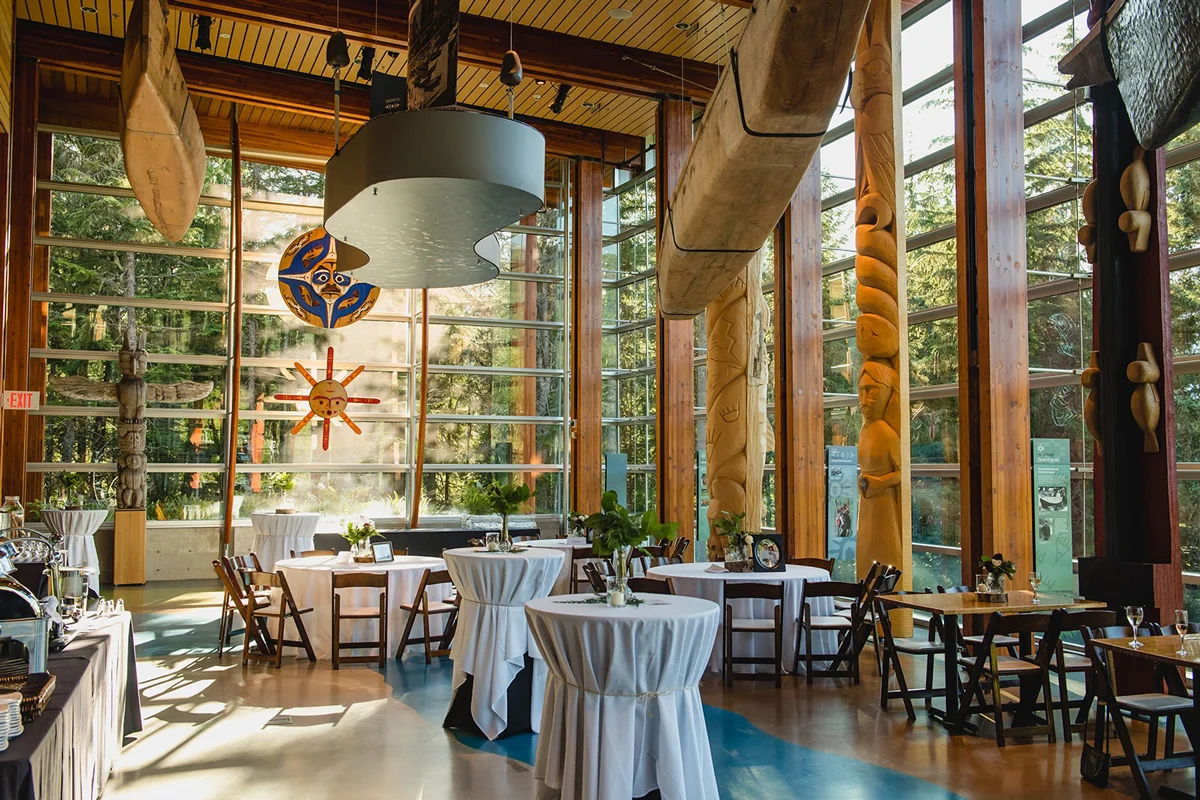
Roundtables, not panels
No keynotes. No panels. No one performing expertise at you. Everyone sits around a table working through the real issues: incentives, hiring, managers, direct investing, family pressure, risk, governance, succession, and the hundred decisions that sit at the intersection of family and wealth.

Dinners designed for depth
Assigned seating, chosen with care. Meals and drinks at exceptional Whistler venues. The goal is not networking. The goal is to get past the resume exchange quickly enough to talk about the real thing.
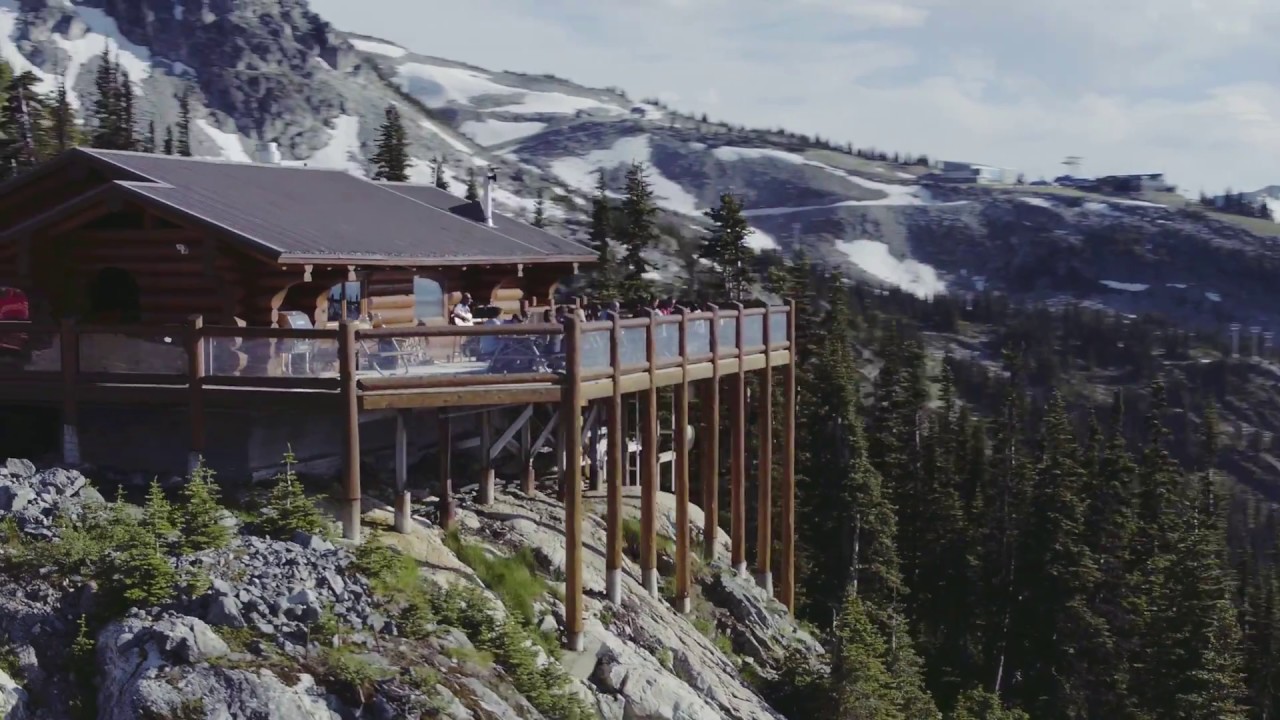
The mountain does the rest
October in Whistler — the crowds gone, the air cold, the peaks dusted with the first snow of the season. Guided mountain time, open space, and every detail handled so you can just be present.
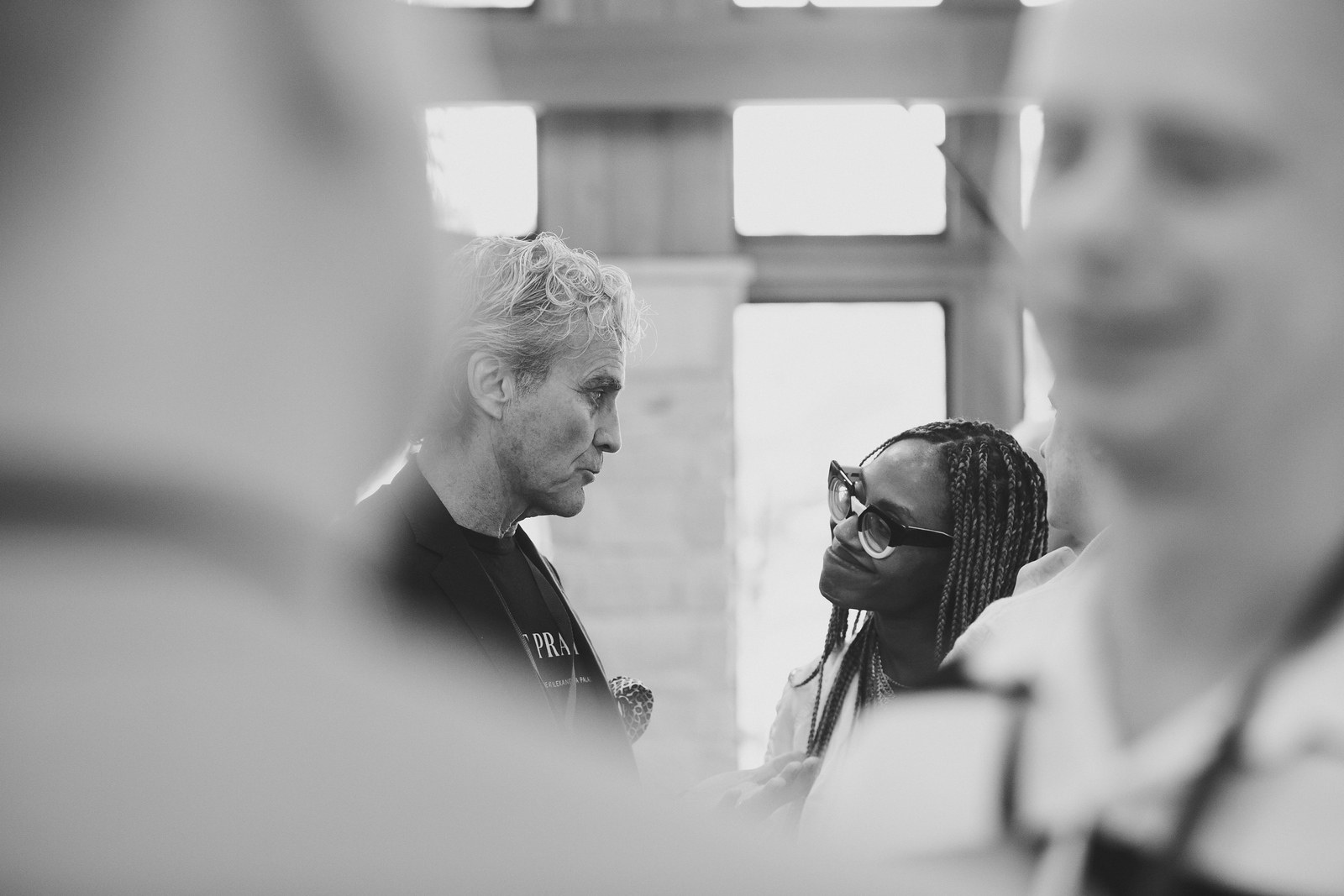
After Whistler
The room doesn't close when you leave. Principals alumni stay connected — governance questions get answered, investment ideas get compared, co-investments may emerge, and the person you sat next to at dinner becomes the one you call when things get complicated.
What guests say at our other events.
Curated group took on a whole new meaning. Every single person I talked to was doing something genuinely interesting and was sincerely passionate about it.
The magic that happens when you give strangers the agency to be open, honest and free with one another. What a different world we’d have if we always operated as such.
I make it a point to avoid conferences at all cost — and this truly was the anti-conference… about getting to know people on a deeper level and finding out what makes them amazing.
So many of you have touched me in so brief a time; I am recharged and reinvigorated, and will remain so forever.
— Ron P.
The difference.
| Most Events | Principals | |
|---|---|---|
| Selection | AUM, title, firm size, sponsor relationship | Responsibility, judgment, candor, and fit with the room |
| Format | Keynotes, panels, "breakouts" | Roundtables, private dinners, and unscheduled time with peers |
| Size | Hundreds or thousands of attendees | Small enough that you will meet everyone |
| Service providers | Present, sponsoring, or quietly selling | Not in the room |
| Advice | Comes from people with a product, fund, or fee model | Comes from people facing the same decisions |
| When markets turn | A keynote about volatility | What the person across the table is actually doing |
| Investment opportunities | Pitched from the stage or worked through the hallway | Shared naturally after trust is built |
| Privacy | Public programming and visible attendee lists | Private conversations, no press, no recordings |
| What you leave with | Notes, contacts, and a follow-up queue | Better filters, trusted peers, and ideas you can actually use |
One experience. A small room.
The fee covers the full experience. Your room at the Four Seasons is the one thing kept separate — and it’s all arranged: a group block held at a set rate. You are applying for the room: a small, carefully selected group of owners and senior leaders with no sponsors, no service providers, and no one there to pitch you.
Applications closed- All food and drink covered at exceptional Whistler venues
- Roundtables and private dinner conversations
- Guided mountain activities and open time
- Ground transportation between event venues and activities
- Dedicated concierge support throughout
Seats are deliberately limited. Applications are reviewed on a rolling basis.